Gift Ideas for Business Clients: Thoughtful, Professional, and Easy to Get Right
There’s a very specific kind of stress that shows up when you remember you should send a client gift. Suddenly, your brain offers two options: “a hamper” or “do nothing and hope they don’t notice”. Neither is ideal.
Client gifting isn’t about being flashy or trying to buy love. The best corporate gifting is simply a smart way to strengthen relationships and keep your brand looking sharp, without creating awkwardness. It’s about choosing premium client gifts that are easy to receive at work, easy to share across a team, and easy for you to reorder again, especially when you’ve got a trusted option like Smith & Sinclair gift boxes ready to go.
In this guide, we’ll make client gifting simple, tasteful, and effective. We’ll cover what to send, what to avoid, how to stay on the right side of policy, and how to build a system that doesn’t collapse in December.
What makes a “good” business client gift?
A good business client gift has three qualities: it’s business-appropriate, it feels premium (even if the budget isn’t), and it doesn’t create hassle. If it’s awkward to accept, awkward to explain, or awkward to store, it’s not doing you any favours.
The real purpose is relationship momentum. Done well, client appreciation gifts protect retention, soften renewal conversations, encourage referrals, and help steady the relationship when things haven’t gone perfectly. Business gifts also play a crucial role in strengthening relationships with clients and partners, helping to reinforce brand awareness and foster loyalty.
Most gifting mistakes come from overthinking the wrong details. Overly personal gifts can feel intrusive, cheap swag feels forgettable, and size-dependent items (like clothing) are a fast track to “thanks… I guess”. Anything that looks like a bribe is a hard no.
The Importance of Corporate Gifting
Corporate gifting is more than just a seasonal gesture; it’s a strategic tool for building and maintaining strong relationships with clients, employees, and business partners.
Thoughtful corporate gifts are a powerful way to express gratitude and appreciation, showing the people who matter to your business that their contributions are valued. When you choose the right corporate gift ideas, you create a lasting impression that reflects your company’s values and message.
Branded corporate gifts and corporate gift hampers are especially effective, as they combine a sense of luxury with a personal touch. Whether you’re sending a great gift to a client to celebrate a milestone or recognising an employee’s hard work, the act of gifting helps strengthen relationships and memorably promote your brand.
The key is to select gifts that suit the recipient and the occasion, ensuring your appreciation feels genuine and thoughtful.
In today’s business world, corporate gifting is an essential part of maintaining and growing partnerships. It’s a thoughtful way to remind clients, employees, and partners of your gratitude, reinforce your company’s message, and create positive associations with your brand.
From hampers to personalised gift boxes, the right gift can make all the difference in how your business is remembered and valued.
Gifting etiquette and compliance (don’t get your client in trouble)
Before we get excited about ideas, we need to talk about compliance. Following best practices for corporate gifting is essential to ensure compliance with company policies and industry regulations. Plenty of organisations have corporate gift policy limits, “no gifts” rules, or vendor restrictions, especially in government, finance, healthcare, or procurement-heavy industries.
When we’re unsure, we default to safe. That usually means modest value, easy-to-share formats, and a note that’s warm but not over-familiar.
If gifts aren’t allowed, we’re not stuck. We can send a handwritten note, make a small charity donation, offer an experience code they can use personally (where permitted), or ask whether the team can accept a shareable treat instead.
International client gift shipping needs extra care. Customs delays, local holidays, dietary needs, and cultural norms can turn a thoughtful gesture into a headache if we don’t plan.
Best times to send gifts (timing that actually moves the relationship)
Timing is where corporate client gifts go from “nice” to “smart”. A gift lands best when it’s attached to a moment that already matters to the client, not just a seasonal rush.
If we map gifting to the client lifecycle, the best moments tend to look like this: onboarding, key milestones, renewal windows, referrals, and year-end. The relationship already has a pulse; we’re just leaning into it.
Gifts can also be used to commemorate important achievements or company milestones, making these occasions even more meaningful for your clients.
“Surprise and specific” usually beats “generic and seasonal”. A well-timed “congrats on the launch” gift in March can be far more memorable than the fifteenth hamper someone receives in December.
For holiday gifts for business clients, ship earlier than feels necessary. A simple rule: aim for delivery by late November or early December, especially if you’re sending year-end client gifts at scale.
Gift ideas by budget (so readers can pick fast)
You don’t need a huge budget to send professional gifts for clients that feel meaningful. You need a clear tier, a strong note, and a product that looks and feels considered.
Here’s a simple way to choose quickly:
-
Under £25: Small premium consumables (specialty coffee or tea, artisan chocolate, gourmet snacks) paired with a short, specific note.
-
£25–£50: Curated boxes, workday upgrades, and “share with the team” gifts that feel generous without pushing policy limits.
-
£50–£100: Premium gift boxes, better materials, and small experiences that feel polished and intentional.
-
£100+: VIP client gifts, choice-based gifting (let them pick), and higher-end experiences for strategic accounts.
For busy teams, many providers now allow you to send multiple gifts to different clients with just one order, making the process fast and convenient.
It’s also worth separating employee vs client gifting. Employee gifts can be more personal because the relationship is different; client gifts should be easy to accept under workplace rules and easy to explain without a raised eyebrow.
Gift ideas by recipient type (so it feels personal without guesswork)
The easiest way to make business client gift ideas feel personal is to match the gift to how someone actually works. Thoughtful gifts can also help build lasting relationships with customers, enhancing loyalty and reinforcing your brand’s image. We’re not trying to become amateur detectives, we’re just avoiding the “one-size-fits-no-one” trap.
For executives
Executives usually appreciate refined, simple choices. Minimal branding, excellent packaging, and something that can sit on a desk or be shared in a meeting works well.
Premium edible gifts, tasteful desk upgrades, and choice-based digital gifts tend to perform best here. A well-chosen executive gift showcases your company's commitment to quality and professionalism. The vibe is “considered and calm”, not “look how much we spent”.
For teams
Teams love shareable gifts because everyone is included, which avoids the awkward “why did only one person get something?” dynamic. This is where gift baskets for clients and snack boxes shine.
A note that thanks the whole team (and references what they achieved) instantly makes the gift feel more genuine. It’s a small move with a big impact.
For remote clients
Remote gifting works best when it’s lightweight, shippable, and not too temperature-sensitive. Digital gifts are brilliant for last-minute wins, but physical gifts still land when they’re compact and durable.
If addresses are uncertain, use a simple “confirm delivery details” step rather than guessing. Nothing says “we tried” like a courier calling your client mid-meeting.
For creative and marketing clients
Creative teams often enjoy gifts with a bit more personality, especially when the unboxing is fun. The key is to keep it professional and not overly gimmicky.
Memorable edible gifts and curated kits tend to land well here, particularly when the packaging looks great, and the note references something specific you built together.
Gift ideas by category (the “menu” readers expect)

Categories make corporate gifting ideas easier to choose. Instead of reinventing the wheel every time, we pick a lane and then pick the best product inside it. Company gifts can range from practical items to luxury experiences, depending on the occasion and recipient.
Edible gifts
Edible corporate gifts work because they don’t create clutter, they’re naturally shareable, and they feel like a treat without becoming a permanent object. If you want something that’s almost always safe, start here.
Look for gourmet, beautifully packaged items that feel premium at first glance. Including champagne in a gift hamper can elevate the sense of celebration and exclusivity, making it perfect for special occasions and premium corporate gifting. If it looks like it was assembled in a rush, it’ll be received that way.
Desk and workday upgrades
Workday upgrades are practical gifts clients actually use, which means you stay in their world without being pushy. Think quality notebooks, cable organisers, a premium pen, a sturdy bottle, or a tidy desk accessory.
If you’re adding branding, keep it subtle. Branded corporate gifts work best when the item is genuinely high quality, and the branding doesn’t shout.
Wellness
Wellness gifts are great when they’re about focus and recharge, not personal wellbeing commentary. We’re going for “here’s something that makes your day easier”, not “you seem stressed”.
Tea blends, simple desk-friendly calming items, or a short audio subscription can work nicely. Keep it light, practical, and office-friendly.
Experiences
Experiences can be a brilliant alternative to objects, especially for gifts for remote clients. Coffee vouchers, food delivery, and online learning are easy wins when paired with a thoughtful note.
If you’re considering tasting kits, check policy and cultural fit first. It’s only a great idea when it’s clearly appropriate.
Sustainable options
Sustainable corporate gifts are strongest when they’re genuinely reusable and ethically sourced, not just “green-looking”. Choose long-life items and low-waste packaging.
A well-made reusable product often feels more premium than something flashy that breaks quickly.
Digital gifts
Digital gifts are perfect for last-minute delivery and international simplicity. They’re also a handy backup plan when you can’t ship on time.
Even with digital, the note matters. Without context, it can feel like a discount code rather than a gesture.
Benefits of Branded Items
Branded items are a smart choice when it comes to corporate gifts, offering both practical value and powerful brand promotion. By adding your company logo to a gift, whether it’s a box of premium chocolate, a tin of tea, or a set of biscuits, you create a lasting impression that keeps your brand top of mind.
Branded corporate gifts and branded merchandise serve as subtle reminders of your appreciation, while also reinforcing your company’s identity every time they’re used or shared.
A full range of branded gifts is available to suit any occasion, recipient, or budget. From elegant wine and thoughtful hampers to everyday desk items, branded items can be tailored to treat clients and employees professionally and memorably. These gifts don’t just say “thank you”, they showcase your company’s attention to detail and commitment to quality.
Branded items also work well as promotional products, helping to promote your business and create positive associations with your brand. Whether you’re looking to impress a new client, reward a loyal employee, or make a statement at a corporate event, branded gifts are a thoughtful and effective way to deliver appreciation and value.
Personalisation that works (and doesn’t feel creepy)
Personalisation is about relevance, not surveillance. The safest personalisation uses what we already know from working together: role, company, milestone, project outcomes, or a specific moment you shared.
A quick “do this, not that” helps. Do reference a launch, a deadline you hit together, or a renewal milestone; don’t reference private details or anything that feels like it came from a deep scroll of their social media.
If you want a mini checklist to pick a gift without overthinking, use: industry sensitivity, recipient type (exec vs team), delivery location, team size, and whether the gift should be shareable. Answer those five, and your options narrow fast.
Packaging, message, and presentation (the part most people mess up)
Packaging is the silent salesperson. A modest gift in excellent packaging looks premium; an expensive gift in flimsy packaging looks suspicious. Choosing gifts that offer convenience, such as easy-to-package items and seamless delivery options, ensures a hassle-free experience for both you and your recipient.
Your message is where the meaning lives. Keep it short, specific, and warm, and skip the sales pitch entirely.
Here are mini note templates you can copy and tweak:
-
Welcome / onboarding: “We’re genuinely excited to work together. Thanks for trusting us with [project], we’re looking forward to making your first few weeks smooth and successful.”
-
Milestone/launch: “Big congrats on [milestone]. It’s been brilliant partnering with you on this. Here’s a small celebration from our side.”
-
Renewal/extension: “Thank you for continuing the partnership. We don’t take that trust lightly, and we’re excited for what we’ll build next.”
-
Referral thank you: “Thanks for the referral, it means a lot. We really appreciate you recommending us, and we’ll take great care of them.”
-
Year-end appreciation: “Thank you for a brilliant year of collaboration. We’ve loved working with you and your team, and we’re looking forward to what’s next.”
-
Apology/recovery: “We’re sorry for the disruption with [issue]. Thanks for your patience, we’re committed to putting this right and improving how we support you going forward.”
How to run client gifting at scale (systems and process)
If you want client gifting to be reliable, it needs a system. Otherwise, it becomes a December-only scramble, and the gifts feel rushed even when the intention is good.
A simple tier structure helps. For example: Tier 1 for VIPs and strategic accounts, Tier 2 for steady retainers, Tier 3 for newer or lower-value clients, each with a budget range, a short list of approved gifts, and a few planned moments in the year.
The workflow can be boring, and that’ s the goal: collect addresses (or use a delivery-confirmation link), choose the gift, personalise the note, ship, then track. Keep a gifting log so you don’t repeat gifts, accidentally exceed corporate gift policy limits, or forget what you sent last time.
Lead times matter more than we like to admit. Build buffer into year-end planning, especially for bulk client gifting and international deliveries, and avoid shipping during the busiest courier weeks if you can. The ability to order online makes it much easier to manage multiple client gifts, particularly for large or international orders.
Spotlight: premium edible gift boxes (memorable and easy to share)
Premium consumables are a client-gifting cheat code. They get used quickly, they’re naturally shareable, and they don’t create long-term clutter.
They’re also flexible across workplace policies. You can choose alcohol-free options for stricter environments, and keep alcohol gifts for situations where you’re confident it’s appropriate and permitted.
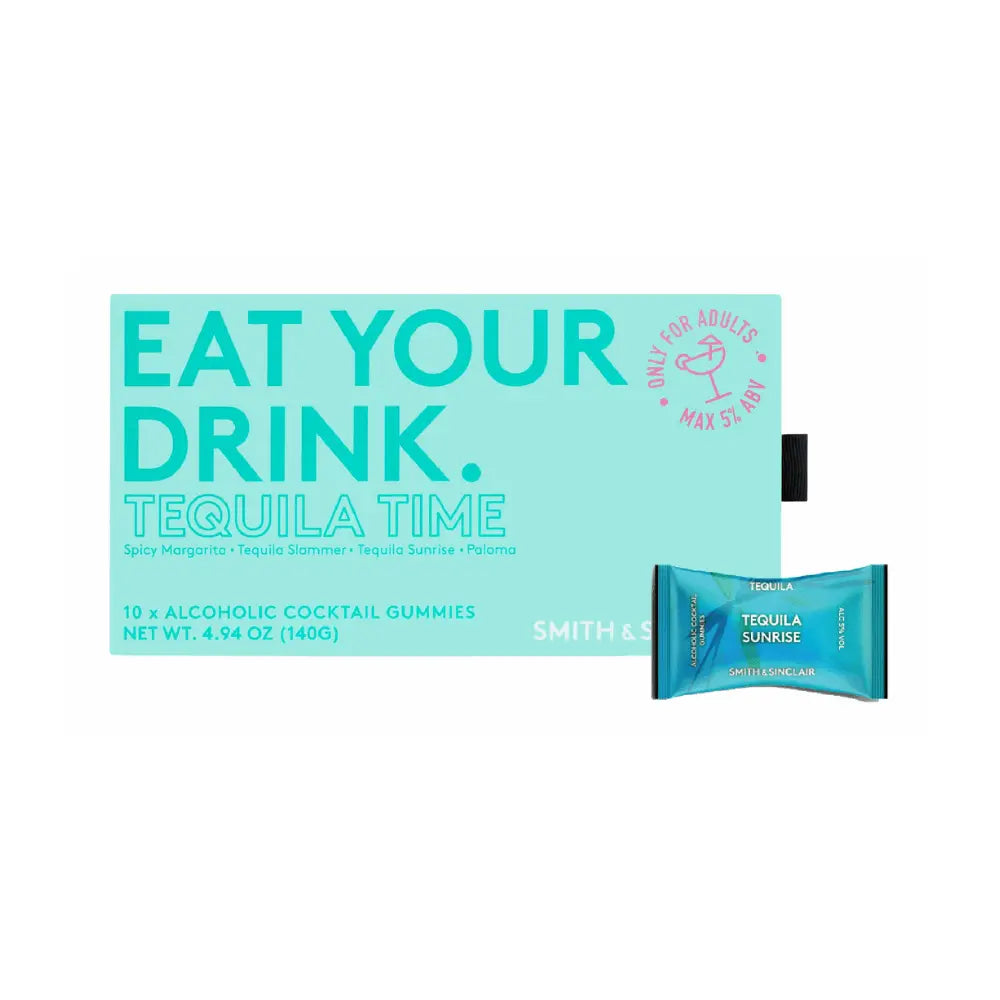
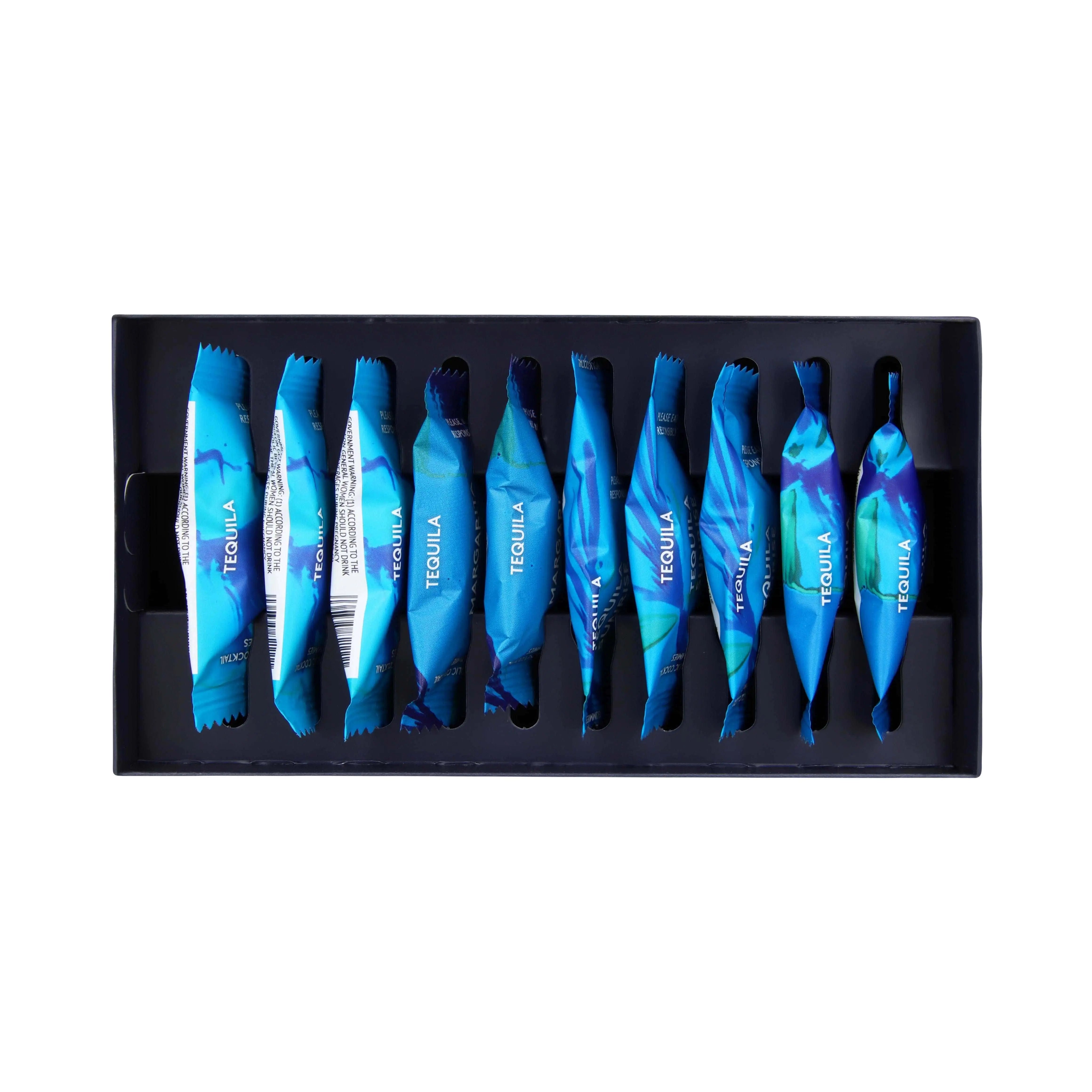
If you’re looking for a modern example of premium edible gift boxes that work well for client gifting, Smith & Sinclair’s gift boxes are made for this. They offer both cocktail-inspired options, like alcoholic cocktail gummies and alcohol-free formats (including coffee and matcha gummies), which makes it easier to match different teams and policies without losing the “wow” factor.
They’re particularly strong as post-event thank-you gifts, “congrats” moments, year-end gifting, and renewal celebrations. Premium gift box delivery is available across the UK, making it easy to reach business clients nationwide. The packaging does a lot of the heavy lifting, and the format makes it easy for a whole team to enjoy.
Measuring the Success of Corporate Gifting
To ensure your corporate gifting strategy is truly effective, it’s important to measure its impact. Start by setting clear goals, whether you want to strengthen relationships, boost brand awareness, or encourage referrals.
One practical way to gauge success is by tracking how clients respond to your gifts: do they send a thank-you note, mention the gift in conversation, or even place a new order? These responses can be a strong indicator that your gifts are making the right impression.
Another key metric is the effect on relationships over time. Are you seeing more repeat business, referrals, or new partnerships as a result of your gifting efforts? Monitoring these trends, whether after a Christmas hamper or a year-round giveaway, can help you understand the value your gifts bring to your business.
Finally, keep an eye on brand awareness. Are your branded gifts and giveaways helping your company stand out and be remembered? By regularly evaluating these factors, you can refine your approach, ensuring your gifts continue to deliver value for your clients, your brand, and your business relationships.
FAQs
What are appropriate gift ideas for business clients?
Appropriate gifts are professional, easy to accept, and low-risk: premium edible gifts, curated boxes, quality desk items, or simple digital vouchers. We aim for gifts that are shareable or genuinely useful, without making personal assumptions.
How much should you spend on a client gift?
Spend based on relationship value and policy limits, not guilt. Many strong client appreciation gifts sit in the £25–£100 range, with VIP gifts going higher only when it’s clearly appropriate.
Are alcohol gifts okay for clients? What if their company policy says no?
Alcohol gifts can be fine when you’re confident they’re allowed and culturally appropriate. If there’s any doubt, choose alcohol-free options and keep the gift shareable.
What do you write in a business client gift note?
Keep it short, specific, and human. Mention a milestone, a project win, or what you genuinely appreciated, and avoid turning it into a sales pitch.
When is the best time to send client appreciation gifts?
The best time is when something real has happened: onboarding, a milestone, a renewal, a referral, or a well-timed surprise. Year-end gifting can work too, but it’s most effective when it doesn’t feel mass-sent.
What are good holiday gift ideas for business clients that don’t feel generic?
Choose something premium, shareable, and well-packaged, and write a note that references your work together. Avoid gimmicks and overly branded items.
What are good gifts for remote clients you can ship easily?
Lightweight curated boxes, premium snacks, desk upgrades, and digital vouchers are reliable. Avoid fragile items and anything likely to melt or spoil in transit unless you’re confident in delivery conditions.
How do you personalise client gifts without being awkward?
Personalise around the work: role, company, milestone, team achievement, or project reference. Avoid personal-life details unless you genuinely have that kind of relationship and you’re sure it’s appropriate.
Conclusion
Client gifting doesn’t need to be complicated; it just needs to be intentional. When we keep gifts professional, easy to accept, and tied to real relationship moments, they stop feeling like “marketing” and start feeling like a good partnership.
If you want to make this ridiculously easy going forward, build a small tiered menu (Tier 1/2/3), pick two or three go-to options per tier, and reuse the same proven note templates with light personalisation. You’ll save time, avoid awkward missteps, and show up consistently in a way clients actually remember.
If you’d like, we can turn this into a reusable gifting playbook for your business: budgets by tier, a 12-month sending calendar, and a short list of “always safe” gifts for different recipient types.
Latest Posts


18
Sep


24
Aug
Latest Posts
18 Sep 2026
Gift Ideas for Teens

01 Sep 2026
18 Birthday Gift Ideas They'll Actually Love
24 Aug 2026